Sixteen weeks from zero to B1 is achievable, and it is not comfortable. It requires roughly two focused hours a day, five days a week, plus weekend speaking practice. Candidates who treat German as a background task take a year and still fail the speaking module.
Weeks 1–5: A1 foundations
Sound system, present tense, cases in their simplest form, numbers, time and the vocabulary of daily life. The goal is not accuracy but automatic short sentences said out loud without translating from English first.
Weeks 6–10: A2 and real conversation
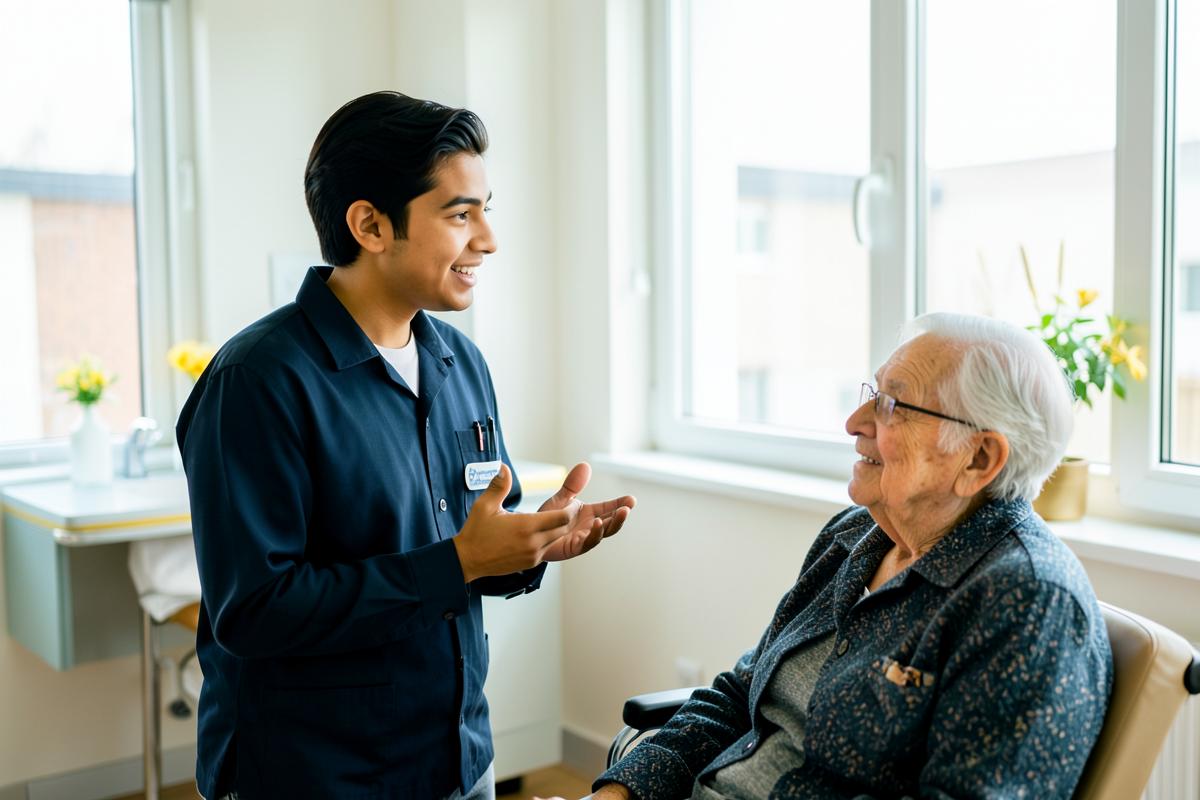
Past tense, modal verbs, separable verbs and the connectors that make sentences sound German. This is where speaking practice becomes non-negotiable — two live sessions a week, minimum.
Weeks 11–14: B1 grammar and topic range
Subordinate clauses, passive voice, Konjunktiv II for polite requests, and topic vocabulary for work, health, housing and study. Start writing 120-word opinion texts and having them corrected.
Weeks 15–16: exam mechanics
Full timed mock exams, all four modules, under exam conditions. Most B1 failures are timing and format failures, not knowledge failures.
- Two full mocks per week with strict timing
- Speaking module rehearsed with a partner, not alone
- Listening practised at normal speed, never slowed
- Written tasks corrected by a teacher, not self-marked
Frequently asked questions
This guide is general information, not legal or immigration advice. Rules, fees and processing times are set by the relevant authorities and change without notice. Speak with a consultant for requirements specific to your case.